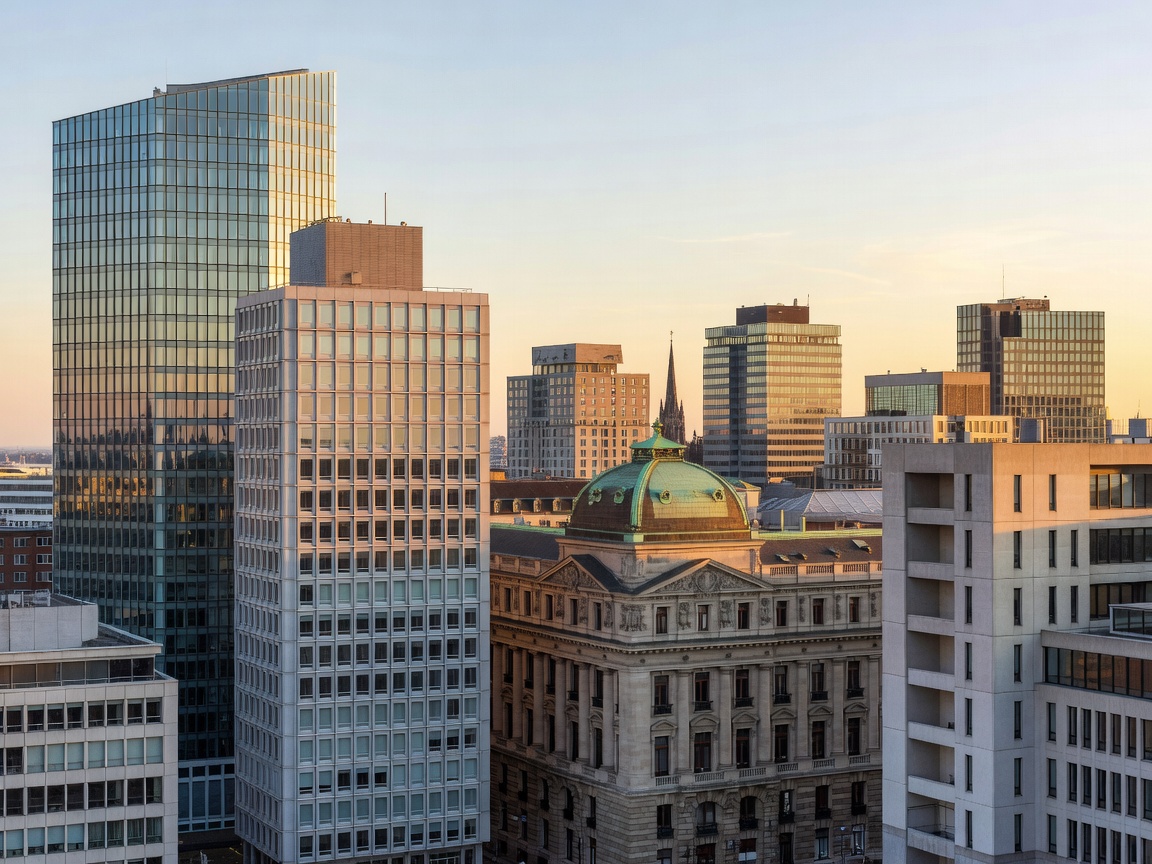
European Business Cities
Compare London's distinct office clusters with Paris, Frankfurt, Amsterdam, Madrid, Milan, Brussels and Dublin.
Explore commercial centres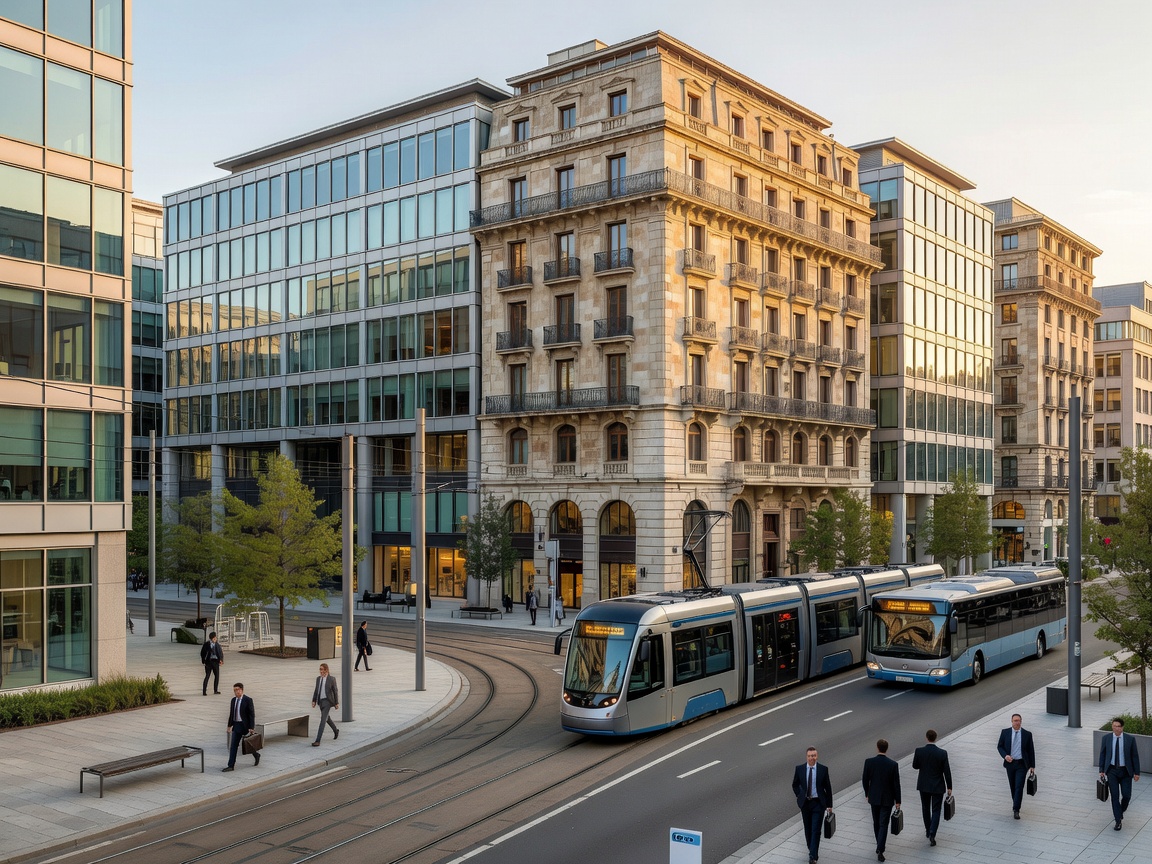
Explore accommodation located in or around major European commercial and business districts. This independent guide connects hotel locations with offices, conference venues, transport and the neighbourhoods that shape a business trip.
Find your starting pointA hotel pin is only one part of a work journey. These guides look at the shape of the district around it: the morning route, the nearest rail connection, the useful lunch streets and what remains open when the offices empty.
Compare London's distinct office clusters with Paris, Frankfurt, Amsterdam, Madrid, Milan, Brussels and Dublin.
Explore commercial centres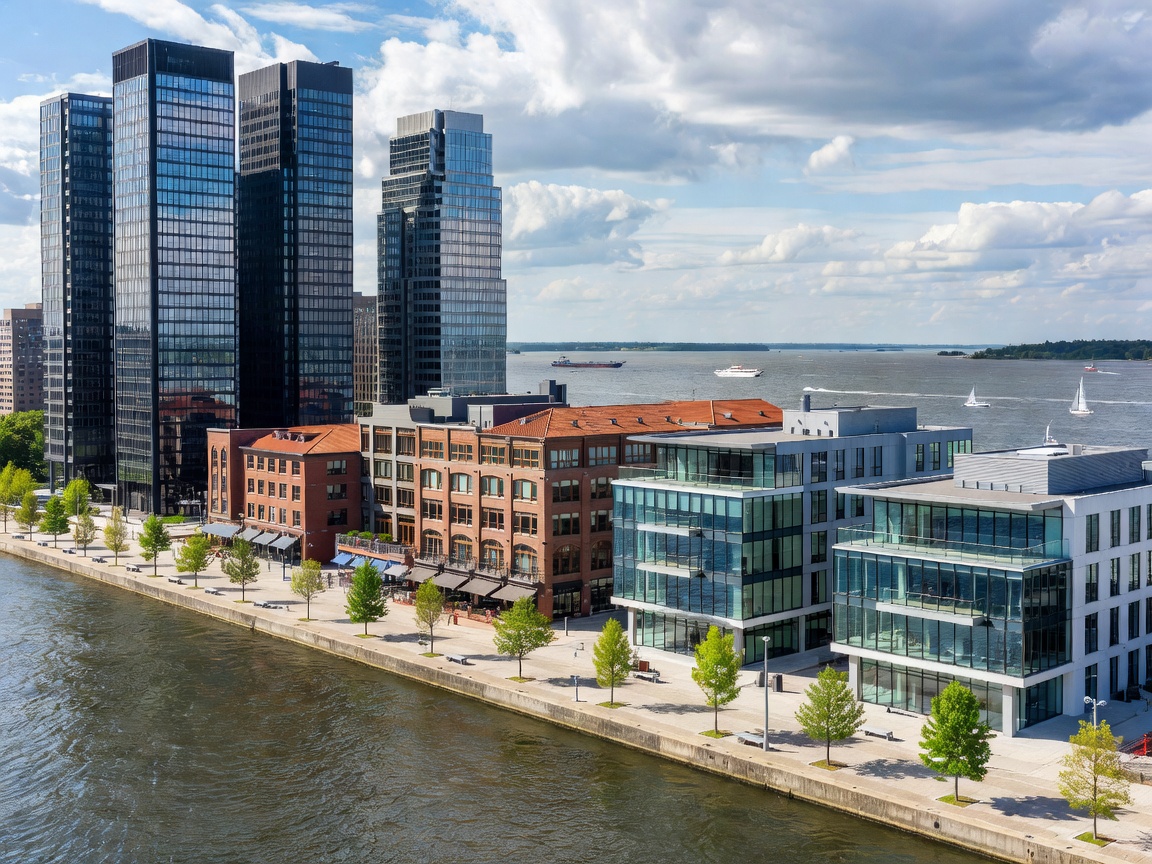
Understand how financial cores, innovation quarters, exhibition zones and mixed-use areas change the stay.
Explore district types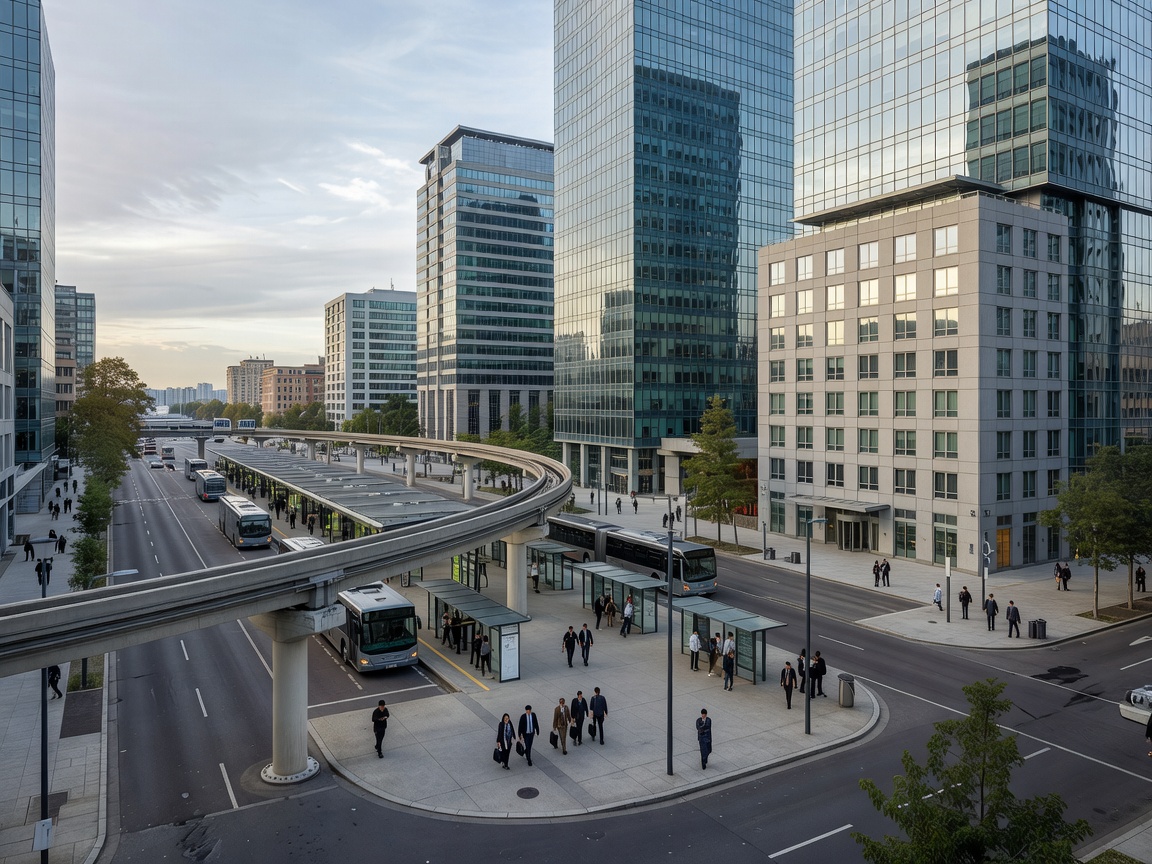
Weigh office access against stations, airports, conference venues, dining and the last part of the journey.
Explore location choices
Separate practical needs—desk, reliable internet, quiet and access—from decorative business styling.
Explore useful features
Set priorities for short visits, conferences and longer work stays without relying on invented rankings.
Build your criteriaEuropean commercial centres are not interchangeable backdrops. The City of London is an established financial district within a larger, layered capital; Canary Wharf forms a separate concentration of offices and services. In Paris, La Défense stands apart from the historic centre, while the city’s central neighbourhoods offer a different blend of work, dining and evening life. Frankfurt’s Bankenviertel is a recognisable financial area close to the central station and the wider urban core.
Amsterdam’s Zuidas is a planned business district with a strong transport-linked character, while Madrid’s AZCA sits within a broader central commercial landscape. Milan’s Porta Nuova combines offices with a changing mixed-use urban setting. Brussels’ European Quarter is shaped by European institutions and offices, and Dublin’s Docklands is a regenerated commercial area beside the city centre. Each example has its own scale, street pattern and relationship to established neighbourhoods.