Business District Types
The phrase “business district” can describe a tight financial core, a lively mixed-use quarter or a venue zone that goes quiet after an event. Read the district’s character before deciding what kind of hotel location will support the trip.
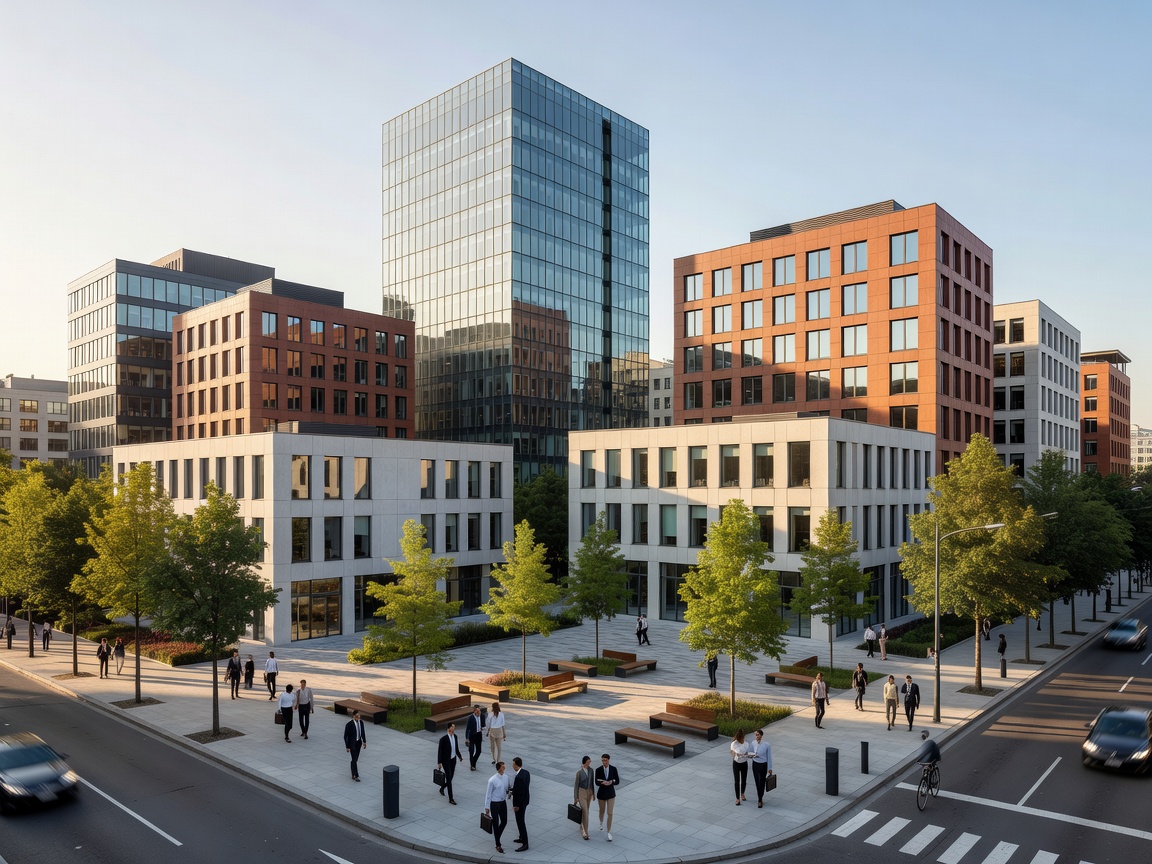
A business hotel is not a single kind of experience. Two properties described with the same broad label may sit in completely different surroundings. One may be close to dense office streets and weekday lunch spots; another may be beside an exhibition site or a transport interchange. Their usefulness depends on what brings you to the city, when your day starts and what you need around you after work.
Financial districts
Financial districts concentrate banking, professional services and related offices. The City of London and Frankfurt’s Bankenviertel are familiar examples of established financial areas. Such districts can offer a clear anchor for a meeting itinerary when appointments are close together. Their streets may be busiest on working days, and the balance of cafés, restaurants and everyday services can change between daytime and evening.
Consider whether the room is needed mainly as a practical base or whether the neighbourhood should also support a full evening. A hotel inside or beside a financial core can save a short daily commute, but a nearby central neighbourhood may offer a wider choice of places to eat and a more varied atmosphere outside office hours.
Central business districts
A central business district is a broad concentration of commercial activity within a city centre, rather than necessarily a neatly bounded financial enclave. Offices may sit alongside shops, civic buildings, hotels, restaurants and cultural destinations. The result can be more street life and more options between meetings, but it can also mean a wider area and a less predictable walk from one appointment to the next.
In a city with several commercial nodes, “central” is a relative description. Identify whether the itinerary centres on one address, a station, or several places. A central base can connect varied appointments; it may not be the closest choice for a meeting in a distinct peripheral district.
Technology and innovation quarters
Technology and innovation areas bring offices together with research, start-up and campus-style activity. Their layout can include newer buildings and shared public spaces, sometimes at the edge of a historic centre or in a regenerated area. The atmosphere may be less tied to traditional finance, and office destinations may be spread across a larger footprint.
For a visitor, check the precise building and pedestrian route. A district name may cover multiple blocks, while amenities and transit access vary across its edges. A room that appears nearby on a map may involve a lengthy crossing or an indirect approach. If the programme includes multiple sites, prioritise the district’s connections rather than choosing solely by proximity to one point.
Conference and exhibition areas
Conference districts are organised around meeting venues and event spaces; exhibition zones can be larger and more purpose-built. Their rhythms follow the event calendar. During a busy programme, being close to the venue can simplify early arrivals, breaks and late finishes. Outside event hours, the immediate environment may offer fewer casual dining choices than a central neighbourhood.
Check the venue’s actual entrance and the walking route from prospective accommodation. Large sites can have multiple halls, gates and access roads. If attendance is concentrated at one venue, staying nearby may be sensible. If the schedule includes city-centre meetings or evening plans, a transit-connected central base may balance the itinerary better.
Transport-linked and waterfront districts
Transport-linked commercial zones cluster around rail terminals, interchange points or major routes. They can make arrival and departure straightforward, particularly when a trip involves a train connection or a brief overnight. Yet station areas vary considerably in atmosphere and layout. Test the onward journey to the office, not just the arrival connection.
Regenerated waterfront business areas, including Dublin’s Docklands, often combine offices with residential, public-space and leisure uses. Their newer urban fabric may feel open and spacious compared with older city streets, but a water edge or large block can lengthen a walk. Look at how bridges, crossings and local transit connect the district to the rest of town.
Mixed-use quarters and evening life
Mixed-use office districts combine commercial buildings with homes, shops, dining or cultural uses. They can feel more continuous beyond standard work hours and give visitors several nearby choices. That does not guarantee that every street is lively or that any specific hotel offers particular facilities; it describes the wider land-use pattern.
Ask what “convenient” means for this stay. A quiet business core can be useful for focus and early mornings, while a lively central quarter may suit an itinerary with late dinners. Conference travellers may put venue access first; multi-day visitors may prefer places to eat and walk without relying on transport after every appointment.
Choose the district before the room
Start with the work destination, then consider the district form, travel links and evening environment. Compare a hotel’s location against the route to offices, meeting venues and restaurants. The location guide explains first- and last-mile trade-offs; business hotel features helps identify the practical facilities that matter once you arrive. Use these selection criteria to bring the choice together.